WHAT IS A SPOOL POOL? HOW DOES IT COMPARE TO A PLUNGE POOL OR TRADITIONAL POOL?
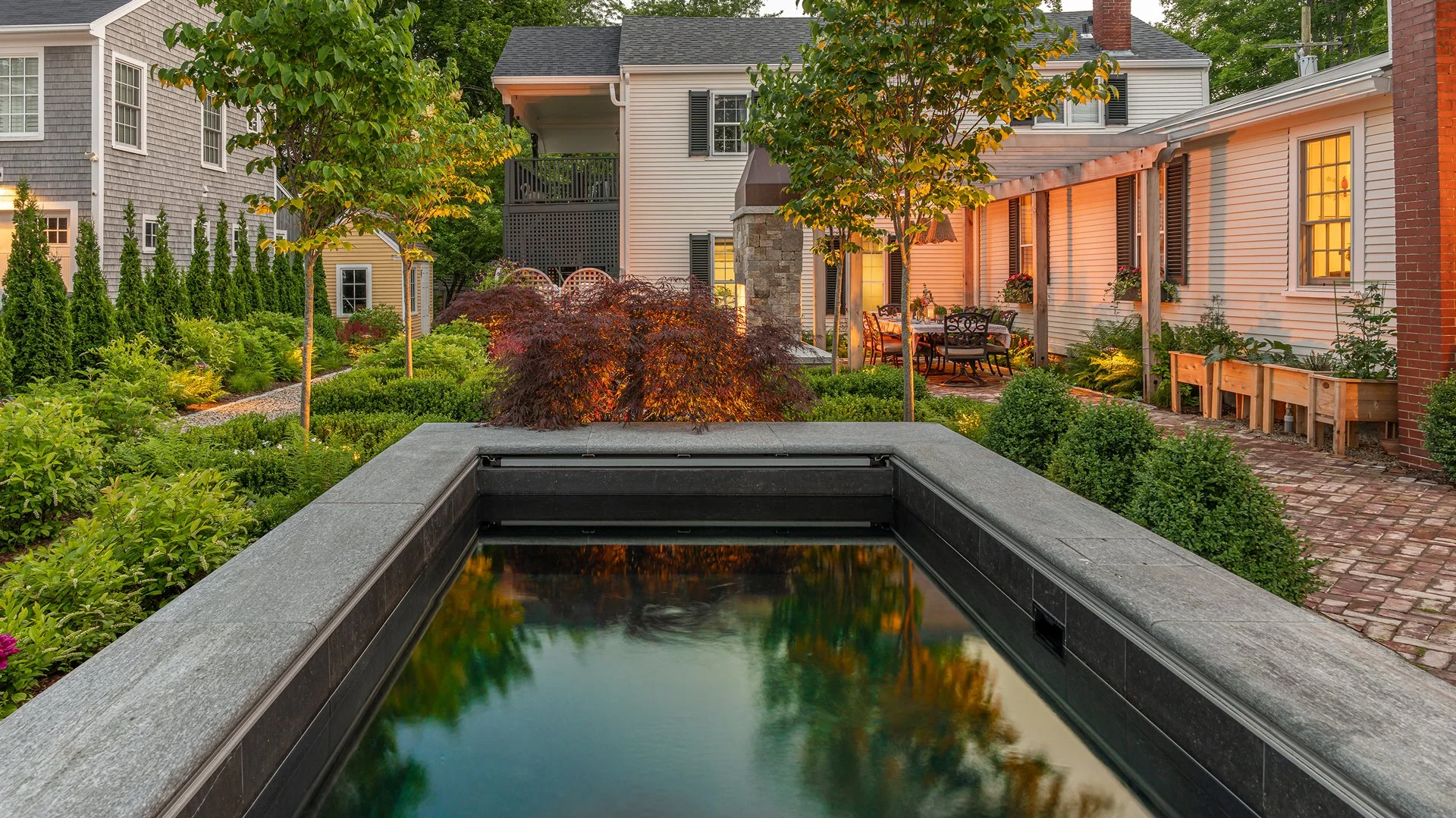
You’ve heard the terms: spool pool, cocktail pool, plunge pool, hot tub hybrid. They appear in backyard designs, architecture projects, and design magazines, but it can be difficult to understand exactly what each one means.
So, what is a spool pool, and how does it compare to a plunge pool, hot tub, or traditional swimming pool?
At Soake Pools, we’ve been manufacturing luxury precast concrete plunge pools since 2014. As the first company to bring hand-tiled precast plunge pools to homes across the United States, we’ve seen firsthand how homeowners are rethinking the role a pool can play in their outdoor spaces.
Here, we’ll explain what a spool pool is, how it compares to other types of pools and spas, and why compact, year-round pools have become an increasingly appealing option for homeowners seeking relaxation, recreation, and wellness at home.
What Is a Spool Pool?
A spool pool is a combination of the words spa and pool. It is a compact, temperature-controlled pool that bridges the gap between a traditional swimming pool and a hot tub.
A spool is typically larger than a standard spa but significantly smaller than a full-size inground swimming pool. Its smaller footprint and temperature flexibility make it particularly versatile: it can be kept cooler for refreshing summer use or heated for soaking during colder months.
Think of it as a small pool and hot tub hybrid designed for year-round enjoyment.
You may also hear similar pools described as cocktail pools, plunge pools, dipping pools, mini pools, or small pool-hot tub combinations. Although these terms are sometimes used interchangeably, there can be differences in size, depth, temperature capabilities, intended use, and construction.
The common idea is simple: a smaller pool can provide many of the benefits people want from a backyard water feature without requiring the footprint of a traditional swimming pool.
A Soake Pool takes that idea a step further. Each pool is a fully hand-tiled, precast concrete pool engineered for year-round use, including demanding cold-weather climates. Its compact footprint also makes it easier to integrate a pool into the overall architecture and landscape of an outdoor living space.
Is a Spool the Same as a Plunge Pool?
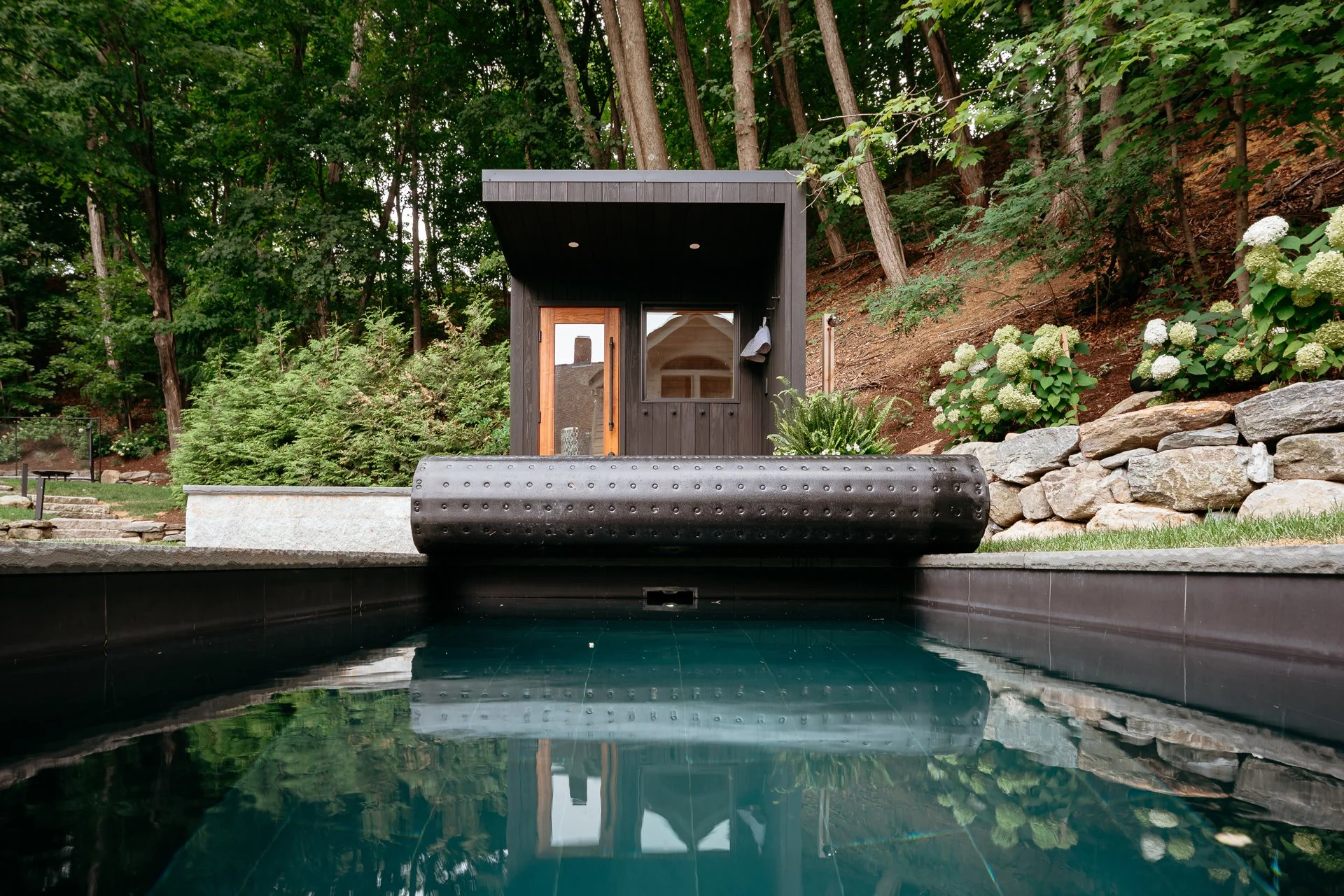
In many cases, yes. Spool pool and plunge pool are often different names for a similar type of compact pool. Both are smaller than a traditional swimming pool and are designed for soaking, cooling off, relaxation, and everyday use.
The word spool simply emphasizes the combination of spa and pool. It is often used when a plunge pool includes heating and can transition from a refreshing summer pool to a warm soaking pool in cooler weather.
That is why a Soake Pool can accurately be described as both a plunge pool and a spool pool. It offers the compact footprint and design of a plunge pool with the temperature flexibility people often associate with a spool.
In practice, the more important question is not whether something is called a spool or a plunge pool, but how it is designed, how it is heated, and how you want to use it throughout the year.
Spool Pool vs. Plunge Pool vs. Hot Tub vs. Traditional Pool
| Spool / Plunge Pool | Hot Tub / Spa | Traditional Pool | |
|---|---|---|---|
| Typical Size | Compact, often around 7' x 7' to 7' x 13' | Around 7' x 7' | Much larger; 16' x 32' is a common residential size |
| Primary Use | Soaking, cooling off, relaxation, recreation and wellness | Hot-water soaking | Swimming and recreation |
| Year-Round Use | Yes, when designed with heating and cooling capabilities | Yes, primarily for hot-water use | Often seasonal in colder climates unless heated |
| Water Volume | Approximately 2,000–4,000 gallons | Approximately 300–500 gallons | Often 13,000–20,000+ gallons |
| Temperature Control | Can support both warm soaking and cooler plunge temperatures | Primarily designed for hot water | Can be heated, but a larger volume of water requires more energy |
| Heating Efficiency | Smaller water volume makes temperature management more practical | Efficient for a very small volume of hot water | Larger water volume generally requires more energy to heat |
| Installation | Can be installed in days once the site is prepared when using a precast pool | Often relatively quick | Typically constructed on-site over a longer period |
| Maintenance | Lower than a full-size pool | Moderate | Typically higher |
| Wellness Uses | Warm soaking, cold-water immersion, movement, recovery and relaxation | Warm soaking and relaxation | Swimming, recreation and cardiovascular exercise |
How Does Heating a Spool Compare With Heating a Traditional Pool?
A traditional swimming pool contains substantially more water than a spool or plunge pool. While traditional pools can certainly be heated, maintaining warmer temperatures across that larger volume of water generally requires more energy.
A spool provides a different approach: heating a smaller body of water rather than an entire full-size swimming pool.
With a temperature-controlled spool, homeowners can enjoy warm-water soaking in colder weather without heating the volume of water found in a traditional pool. Using an insulated pool cover can also help retain heat, reduce heat loss through evaporation, and make it easier to maintain a consistent water temperature between uses.
That temperature flexibility is also what distinguishes a spool from a conventional hot tub. A hot tub is primarily designed to remain hot, while a spool can provide a broader range of experiences—from a refreshing summer dip or cold plunge to a warm winter soak.
Why Homeowners Are Choosing Spool Pools Over Traditional Pools
For decades, the traditional swimming pool helped define the ideal backyard. Today, that idea is evolving.
Smaller outdoor spaces, changing lifestyles, and increased interest in creating restorative environments at home are leading many homeowners to reconsider how much pool they actually need. For some, a small spool or plunge pool provides the right balance.
A Smaller Pool That Makes Better Use of Space
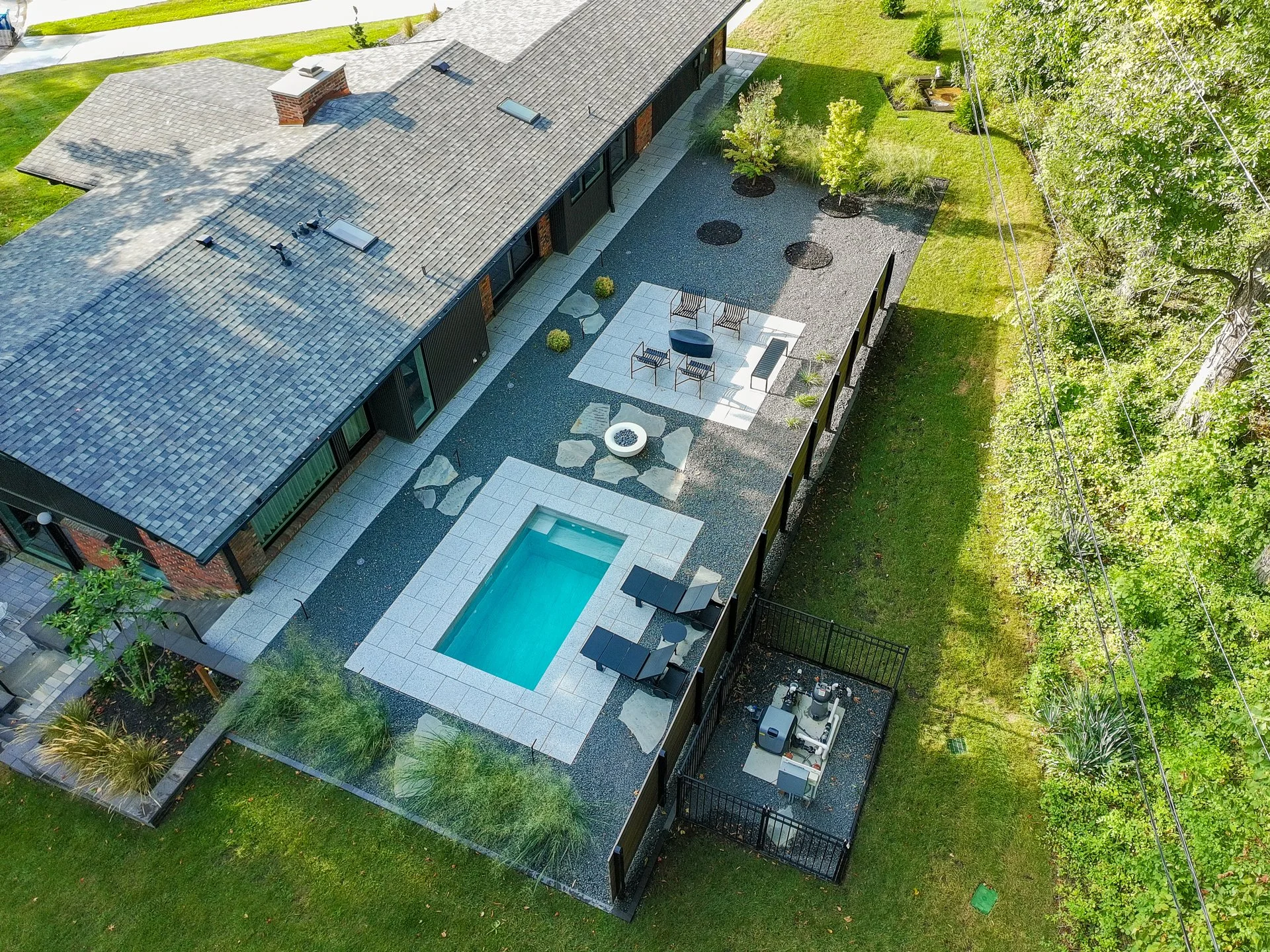
A compact plunge pool can make pool ownership possible in spaces where a traditional swimming pool would be impractical. Urban courtyards, compact suburban lots, Cape Cod-style yards, sloped properties, and architecturally complex landscapes can all benefit from a smaller footprint.
Instead of allowing the pool to dominate the landscape, homeowners can integrate it with patios, gardens, outdoor kitchens, fire features, and gathering spaces. The result is often a more intentional outdoor environment with room for more than just the pool itself.
Less Water and Less Maintenance
One of the biggest advantages of a small pool is simple: there is less water to manage.
A Soake Pool holds substantially less water than a typical full-size swimming pool. That can mean fewer chemicals, lower heating demands, and less ongoing maintenance compared with maintaining a much larger body of water.
High-efficiency insulation and integrated heating also make it possible to manage water temperatures while keeping the system compact.
Installation in Days Instead of Building a Pool On-Site for Months
Traditional concrete swimming pools are generally constructed entirely on-site, which can result in a lengthy construction process. A Soake Pool is different.
Each pool is manufactured off-site, hand-tiled, and delivered to the property as a completed pool shell. Once the site has been properly prepared, the pool can typically be craned into place and installed within a matter of days.
Production, permitting, site preparation, landscaping, contractor availability, and other project requirements still affect the overall timeline. However, precast construction significantly reduces the amount of pool construction that needs to happen in the backyard.
Designed to Be Seen
A small pool doesn’t have to feel like a compromise. With thoughtfully selected large-format porcelain tile and finishes inspired by natural materials, a Soake Pool can become an architectural focal point rather than simply another backyard amenity.
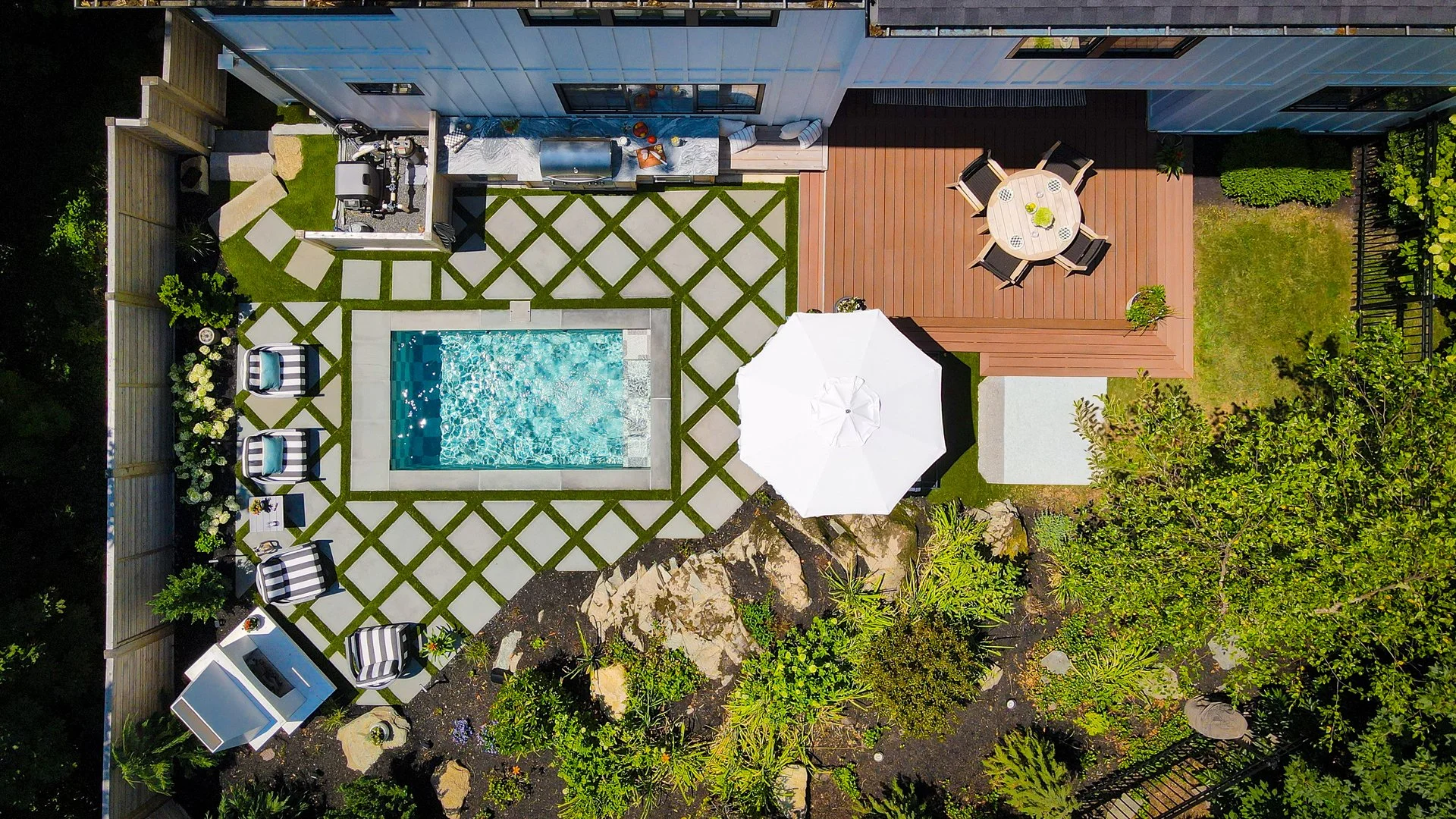
Its compact scale also allows designers and homeowners to think differently about placement. A pool can sit close to a home, anchor a courtyard, complement a garden, or create a visual connection between indoor and outdoor living spaces.
The goal is not simply to fit a pool into the backyard. It is to make the pool feel like it belongs there.
The Benefits of Year-Round Water Immersion
Soake Pools began with a simple idea: the restorative experience of water should be part of everyday life rather than something reserved for vacations or occasional spa visits. Today, interest in hydrotherapy, cold-water immersion, and warm-water soaking continues to grow.
Water also creates opportunities for different types of movement and recovery. Aquatic exercise can provide a low-impact environment for movement, while warm-water soaking is commonly associated with relaxation and unwinding.
Cold-water immersion is increasingly incorporated into athletic and wellness routines, particularly for recovery and the invigorating sensation associated with cold exposure.
Because research into specific wellness outcomes varies by practice and individual, homeowners should consider their own health needs and speak with a healthcare professional before beginning extreme hot- or cold-water immersion practices.
A Pool Designed for Every Season

One of the biggest differences between a spool pool and a traditional seasonal swimming pool is how often you may be able to use it. Instead of viewing the pool primarily as a summer amenity, a temperature-controlled small pool can become part of your everyday routine throughout the year.
A cool morning plunge. An afternoon reset. A warm evening soak while snow surrounds the patio. The experience changes with the seasons, but the pool remains part of the landscape.
For homeowners who value thoughtful design, efficient use of space, and year-round access to water, a spool or heated plunge pool offers an alternative to the traditional backyard swimming pool. And sometimes, a smaller pool can create a much bigger experience.
Frequently Asked Questions About Spool Pools
What does “spool pool” mean?
“Spool” combines the words spa and pool. It generally describes a compact pool that offers the temperature flexibility and soaking experience of a spa while providing more room than a typical hot tub.
Is a spool pool the same as a plunge pool?
In many cases, yes. The terms spool pool and plunge pool are often used to describe the same type of compact pool. The term spool typically emphasizes the combination of pool and spa functionality, particularly the ability to enjoy both cooler and warmer water temperatures.
Can a spool pool be used year-round?
Yes. When properly designed, insulated, and equipped with an appropriate heating system, a spool pool can be enjoyed throughout the year, including in cold climates.
Can you swim in a spool pool?
A spool is generally too small for traditional lap swimming, but an optional swim system can make continuous swimming possible in a compact space. A spool can also be used for water exercise, movement, soaking, cooling off, and recreation.
Is a spool pool easier to maintain than a traditional pool?
Generally, yes. Because a spool contains significantly less water than a full-size swimming pool, there is typically less water to heat, treat, and maintain.
How long does it take to install a precast plunge pool?
Once the site is prepared, a precast plunge pool can typically be installed within a few days after delivery. The complete project timeline also depends on permitting, site preparation, contractors, landscaping, and production scheduling.
The Takeaway
A spool or plunge pool offers the flexibility of a pool and spa in a smaller footprint, with year-round temperature control, lower water volume, and easier integration into a thoughtfully designed outdoor space.
If you’re considering a compact pool for your home, explore Soake Pools to find the size, finish, and setup that best fits your space and lifestyle.